Shipping containers have become a popular solution for a variety of needs, from storage to innovative living spaces. As their use has diversified, so has the market for these containers. Understanding where to find them and the differences between grades, sizes, and conditions is crucial for making an informed decision. This guide will help you navigate the world of shipping containers and find the perfect fit for your needs.
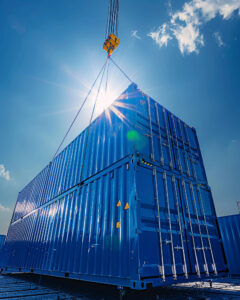
**1. ** Finding Shipping Container Providers:
Shipping container providers are widely available and vary in size and scope. Here are some common sources to consider:
- Specialized Container Dealers: Companies that specialize in shipping containers offer a range of options from new to used containers. They often provide additional services such as customization, modification, and delivery. Examples include Container Solutions, Conexwest, and Mobile Mini.
- Online Marketplaces: Websites like eBay, Craigslist, and Facebook Marketplace can be good sources for finding shipping containers. These platforms often list used containers from various sellers, sometimes at lower prices than specialized dealers.
- Local Storage Companies: Many local storage companies sell or rent out shipping containers. These companies might offer a more personalized service and can be a good option for those looking for a local supplier.
- Construction and Equipment Rental Companies: Some companies that rent out construction equipment also offer shipping containers for sale or lease. These companies can be a good source for containers if you’re already working with them for other equipment.
- Shipping Lines and Ports: For those seeking large quantities or specific types of containers, contacting shipping lines or port authorities can be beneficial. They often have surplus containers available for sale or lease.
**2. ** Understanding Container Grades:
Shipping containers come in various grades, each reflecting their condition and suitability for different uses. The main grades are:
- New or One-Trip Containers: These containers are either brand new or have been used only once to transport goods. They are in pristine condition and offer the highest quality and reliability. Ideal for those seeking the best appearance and durability.
- Cargo Worthy Containers: These containers have been used but are still in good condition, suitable for continued shipping and storage. They are inspected and certified to ensure they meet the required standards for cargo transport. A cost-effective option for those needing reliability without the premium price of a new container.
- Wind and Water Tight Containers: These containers are older and have been used extensively but are still in good shape. They are inspected to ensure they are free of leaks and can protect contents from the elements. Suitable for general storage or non-critical uses.
- As-Is Containers: These are containers in varying conditions, often with visible signs of wear and tear. They may have dents, rust, or other issues but are generally functional for storage purposes. They are the most affordable option but come with the risk of potential issues.
**3. ** Container Sizes and Types:
Shipping containers come in several standard sizes, though custom sizes are also available. The most common sizes are:
- 20-Foot Containers: Typically 20 feet long, 8 feet wide, and 8.5 feet high. They are popular for smaller storage needs or as modular units in larger constructions. They offer a manageable size for limited spaces.
- 40-Foot Containers: These are twice as long as the 20-foot containers, making them ideal for larger storage needs or as part of a more extensive modular system. They are 40 feet long, 8 feet wide, and 8.5 feet high.
- 40-Foot High Cube Containers: These are similar to the standard 40-foot containers but are 9.5 feet high, offering additional vertical space. They are useful for projects requiring more storage height or room for modifications.
- Specialty Containers: Custom containers include refrigerated units (reefers), open-top containers, and flat racks, designed for specific uses. These are less common but available through specialized providers.
**4. ** Condition Considerations:
When selecting a shipping container, consider its condition based on your intended use:
- For Permanent Structures: Opt for new or one-trip containers to ensure longevity and minimal maintenance.
- For General Storage: Cargo worthy or wind and water tight containers provide a balance between cost and durability.
- For Budget-Friendly Solutions: As-is containers offer a low-cost option but may require some repairs or maintenance.
Conclusion:
Choosing the right shipping container involves understanding where to find them, the differences in grades, sizes, and conditions, and aligning these factors with your specific needs. By carefully selecting a provider and container type, you can ensure that your investment in a shipping container meets your requirements for functionality, durability, and cost-effectiveness. Whether you need a container for storage, living space, or a unique project, there is a solution available to fit your needs.